Solo channel uploads are no longer enough to satisfy the recommendation algorithm. By activating the YouTube collaboration feature, brands can co-author a single video across up to ten channels, pulling shared views without triggering duplicate content penalties. When you target tight audience overlap instead of empty vanity metrics, your watch time and subscriber conversion surge naturally. With Naise AI, lean teams can execute the entire partnership workflow, from creator vetting to multi-channel repurposing, without burning out on manual admin.
Why YouTube Is Begging You to Ditch Solo Uploads
YouTube is prioritizing co-authored uploads because the algorithm uses shared watch histories to map viewer affinity faster across specific topic clusters.
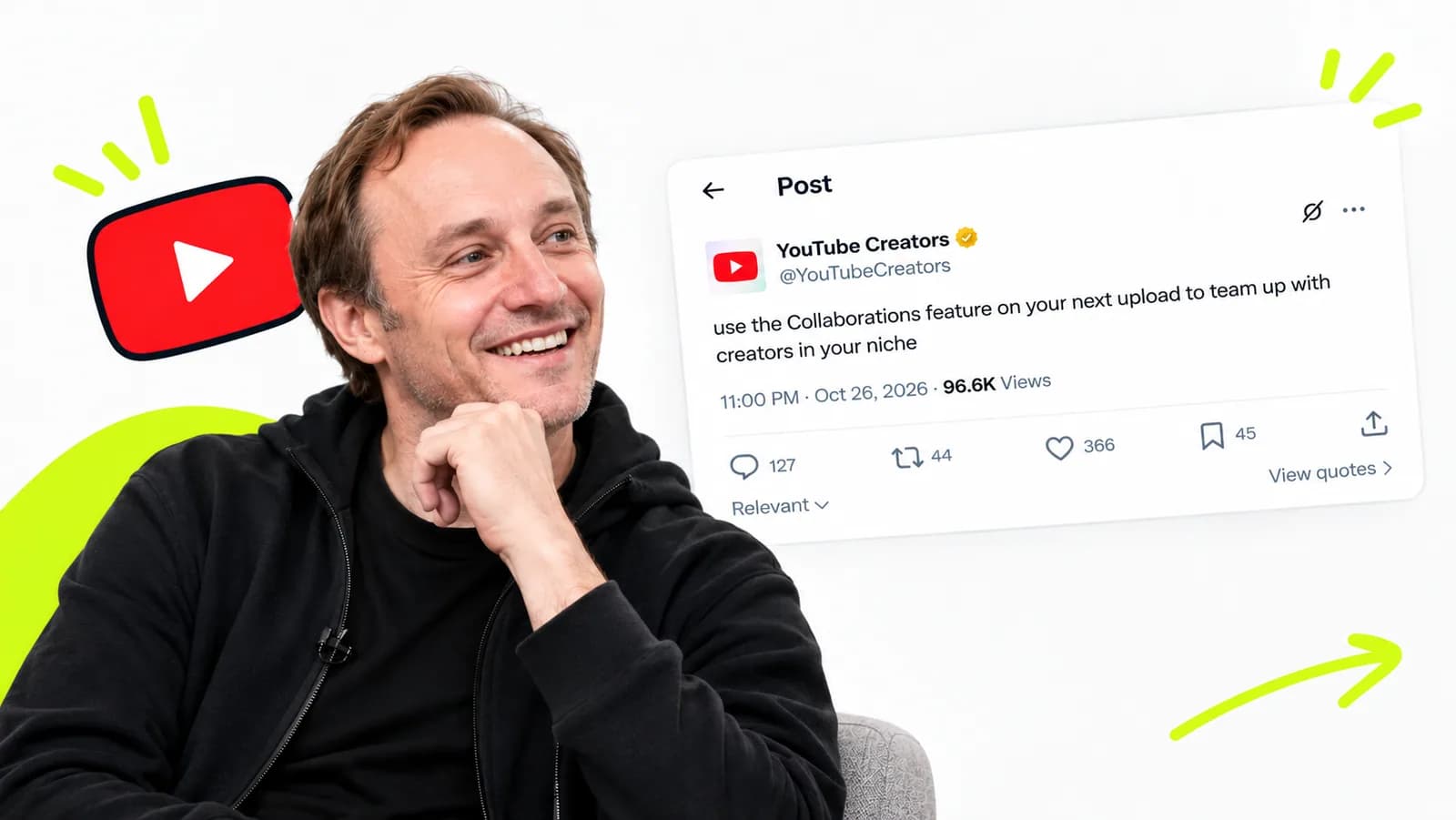
The era of grinding out solitary uploads and hoping for organic discovery has hit a ceiling. YouTube recently took to its official creator channels to deliver an unmistakable directive: team up with creators in your exact niche. This advice aligns with a massive surge in search interest for niche discovery and audience clustering across search engines, proving that creators are struggling to scale in isolation.
The platform knows that solo content creation creates retention fatigue. When an established creator introduces a peer to their audience, viewers treat that recommendation as an earned endorsement rather than an interruption. The algorithm immediately registers this elevated viewer affinity, noticing that viewers who love Channel A are bingeing Channel B during the same viewing session.
Research on YouTube collaborations found that co-authored videos generated 19–51% more views than non-collaborative uploads, with the effect especially pronounced for smaller channels.
This dynamic explains why search interest for niche targeting continues to spike. Generic lifestyle content is losing ground to hyper-specific topical authority. If your marketing team wants to stay top-of-mind, you have to plant your flag inside active conversations where the audience is already primed to care about your solutions.
Inside the Collaborations Feature: How Cross-Channel Tagging Actually Works
The YouTube collaboration feature allows one primary creator to invite up to ten co-hosts to a single video, pooling analytics, comments, and subscriber feed impressions under one link.
At its core, this feature functions as native co-authoring for long-form video and YouTube Shorts. Instead of passing video files back and forth via cloud drives, one channel uploads the master cut and tags up to ten participating creators directly in the upload flow. Once those partners accept the tag, that single video populates across their subscriber feeds simultaneously.
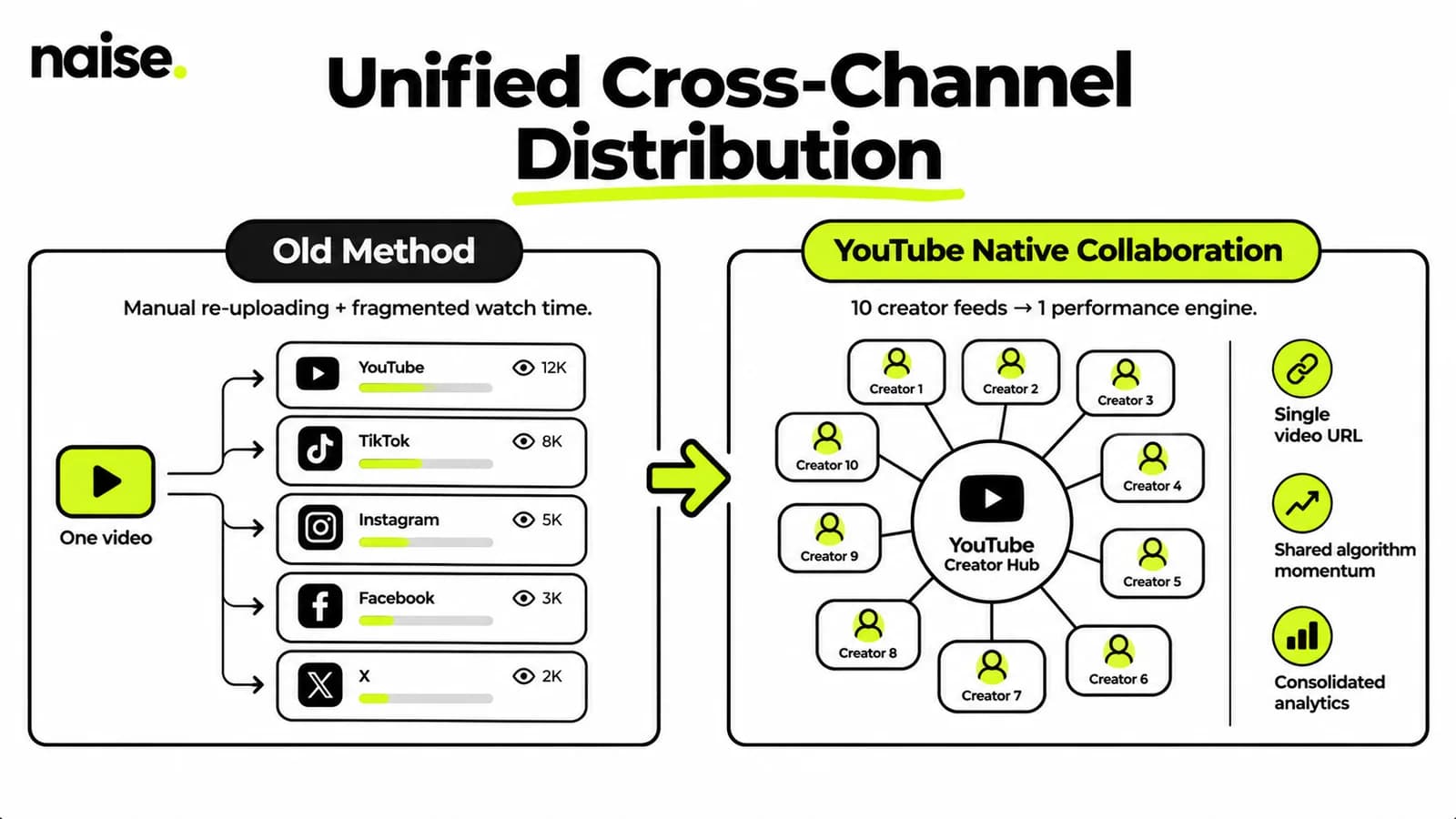
The technical upside for brand marketers is massive. You no longer split your click-through rate or fracture total watch time across three different re-uploads. All comments, likes, and algorithmic momentum accumulate under one asset, preventing the system from flagging your collateral as duplicate content.
Smart media operators are already applying this tool to their own internal portfolio channels. Consider a media company that runs both a precious metals channel and a macro stock market channel. By co-authoring a breakdown on inflation hedges across both properties, they instantly introduce two related investor communities to the exact same video, doubling overall reach with zero added production cost.
The Audience Overlap Rule: Why Small Niche Beats Vanity Reach
Collaborating with a focused peer who shares your exact niche crossover delivers higher buyer intent and audience retention than renting access to a massive channel with untargeted subscribers.
The biggest mistake growth marketers make during joint campaigns is chasing subscriber counts. Booking a creator with half a million subscribers might look impressive on an internal slide deck, but it often yields disastrous results. If their viewers do not already care about your specific subject matter, your average percentage viewed will plummet within the first thirty seconds.
A small channel with twenty thousand passionate viewers who watch every breakdown on supply chain logistics will outperform a broad tech reviewer every single time. This phenomenon, known as audience overlap, is the real growth engine behind sustainable channel expansion. You want viewers who are already pre-qualified to find your core topic fascinating.
Recent benchmark data supports this: hyper-niche nano and micro-influencer partnerships average conversion rates of roughly 2.18%–2.41%, compared with about 0.91% for broad mega-influencer campaigns, meaning niche creators can convert at 2–3 times the rate of mega-influencers. Influencer-acquired customers also show a 37% higher retention rate than customers acquired through other channels, and long-term creator partnerships of three or more campaigns can improve conversion by another 37%
When you partner with a creator whose audience is identical in intent, you eliminate the friction of brand introduction. Their existing audience does not feel sold to; they feel educated by two trusted authorities discussing a shared problem. That dynamic transforms standard marketing assets into high-converting trust magnets.
The Operational Bottleneck: Why Multi-Creator Collabs Stall Out
Executing multi-creator campaigns manually creates severe logistical drag, including endless outreach threads, disjointed script feedback, and fragmented production handoffs.
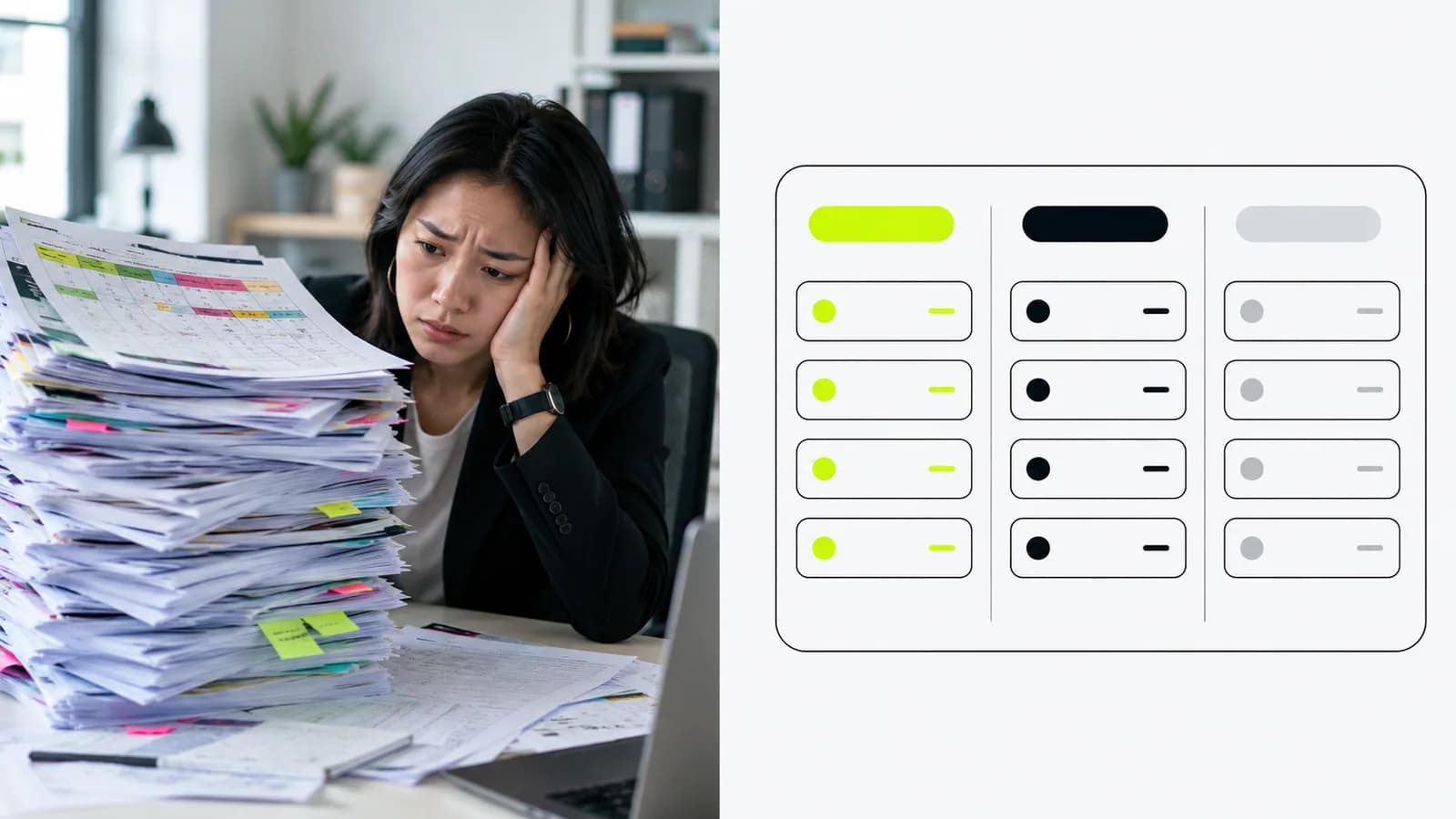
While the strategic value of cross-channel video is undeniable, running these initiatives manually is an operational nightmare for lean marketing teams. Sourcing ten relevant creator partners requires days of manual vetting to ensure their engagement metrics are genuine. Before a single frame is filmed, your team is already drowning in spreadsheets and unanswered outreach messages.
The friction only multiplies once the ideation stage begins. Blending two distinct brand voices into a unified video script usually results in messy email chains, overlapping comments in cloud documents, and endless delays. Teams end up wrestling with fragmented marketing stack syndrome, losing momentum before the project even gets approved.
Then comes the post-production distribution hurdle. Once the long-form video is published, someone still has to slice key takeaways into short-form assets for Instagram, write promotion copy for LinkedIn, and track performance metrics manually. Without dedicated automation, creative teams burn out on administrative tasks instead of driving high-level strategy.
Scale Your Niche Distribution Engine with Naise AI
Naise AI streamlines collaborative campaigns by using the Social Audit tool to validate creator audiences, then transitions execution into a centralized Social Workspace for seamless scheduling and tracking.
You do not need to expand your headcount to run high-impact co-marketing campaigns. Naise AI functions as your autonomous marketing teammate, eliminating manual research and disjointed execution so your team can clock out on time. Everything starts by ensuring your chosen collaboration partners actually have the engaged audience they claim to have.
The biggest risk in joint campaigns is partnering with a creator whose followers are inactive. You can use the Social Audit feature to instantly validate any potential partner's social presence before reaching out. The system analyzes their feed to reveal their true Content Pillar strength and calculates their actual Engagement Rate, proving whether their audience is genuinely active.
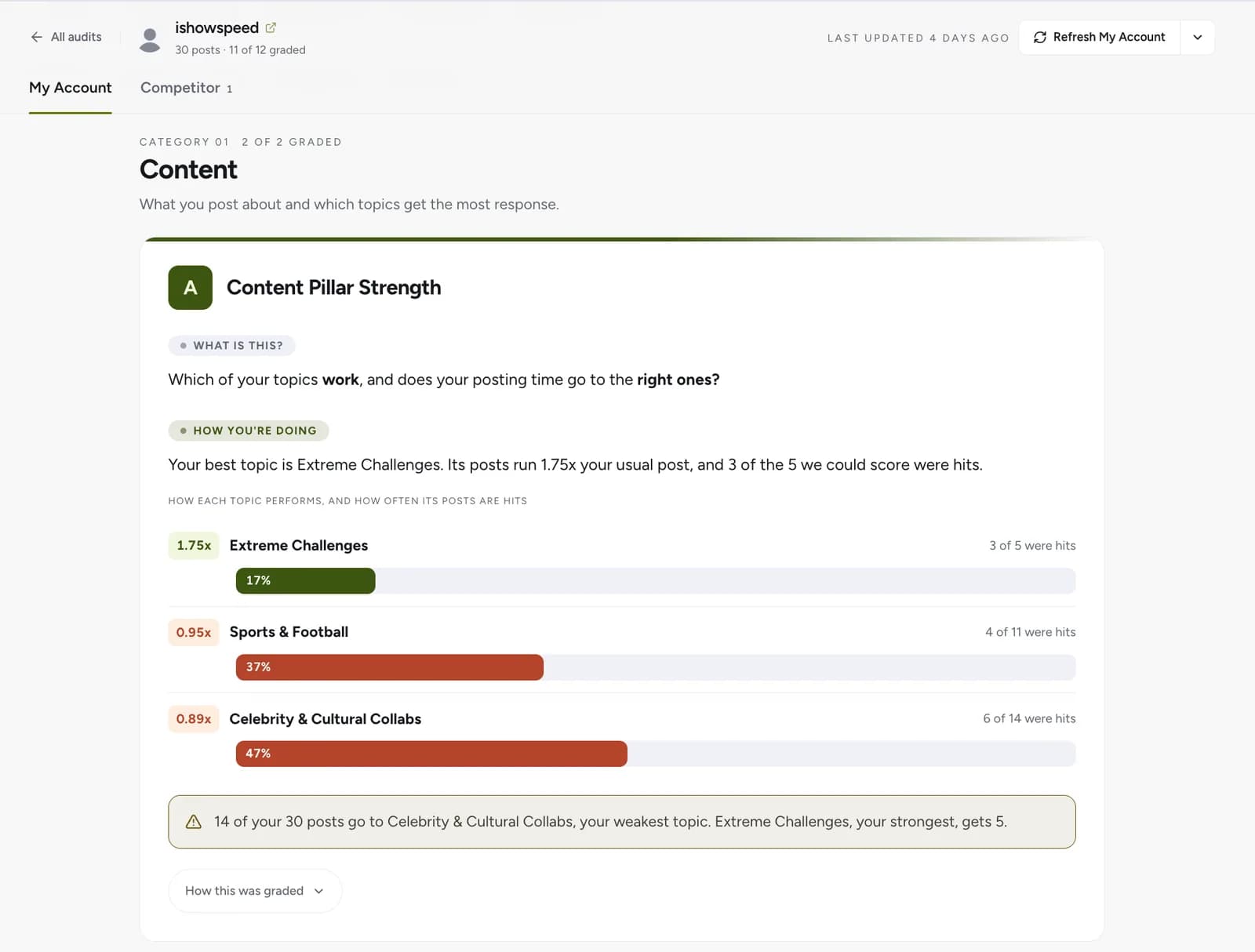
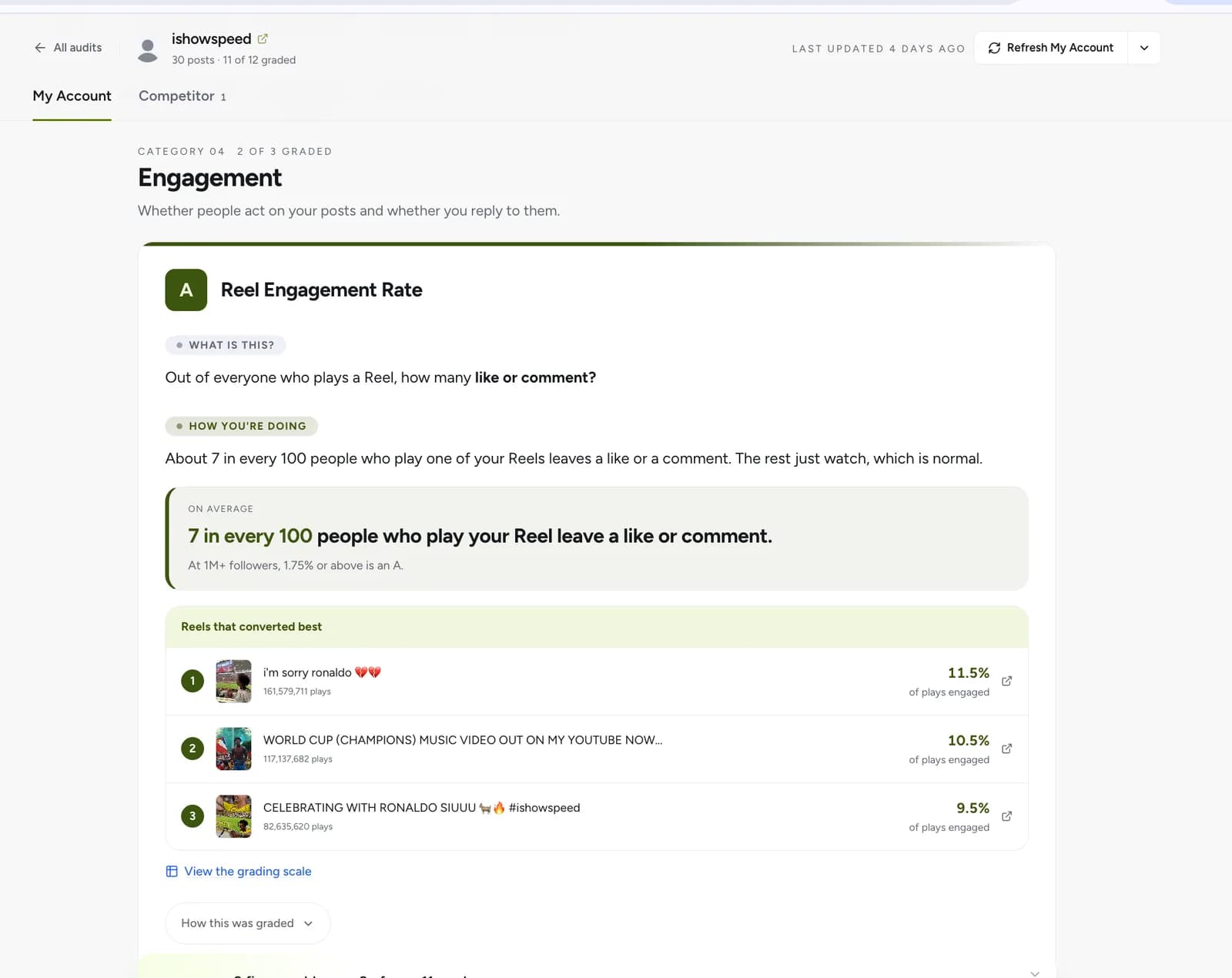
Once you validate the perfect niche partner, the strategy moves directly from analysis to execution inside the Social Workspace. You do not need to switch tabs, open separate scheduling apps, or lose context in transit. Your team can coordinate the entire multi-creator campaign rollout in one centralized hub.
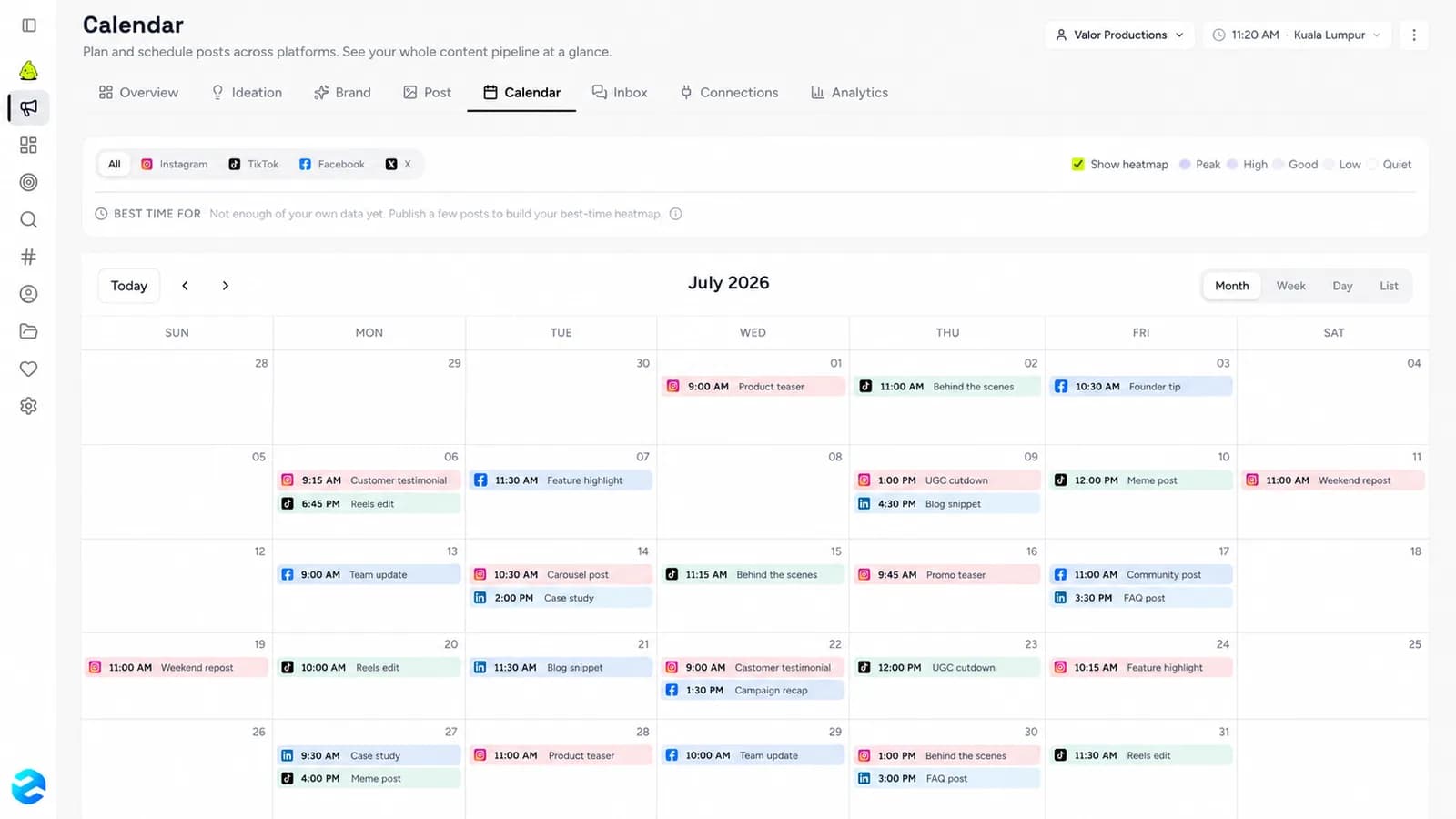
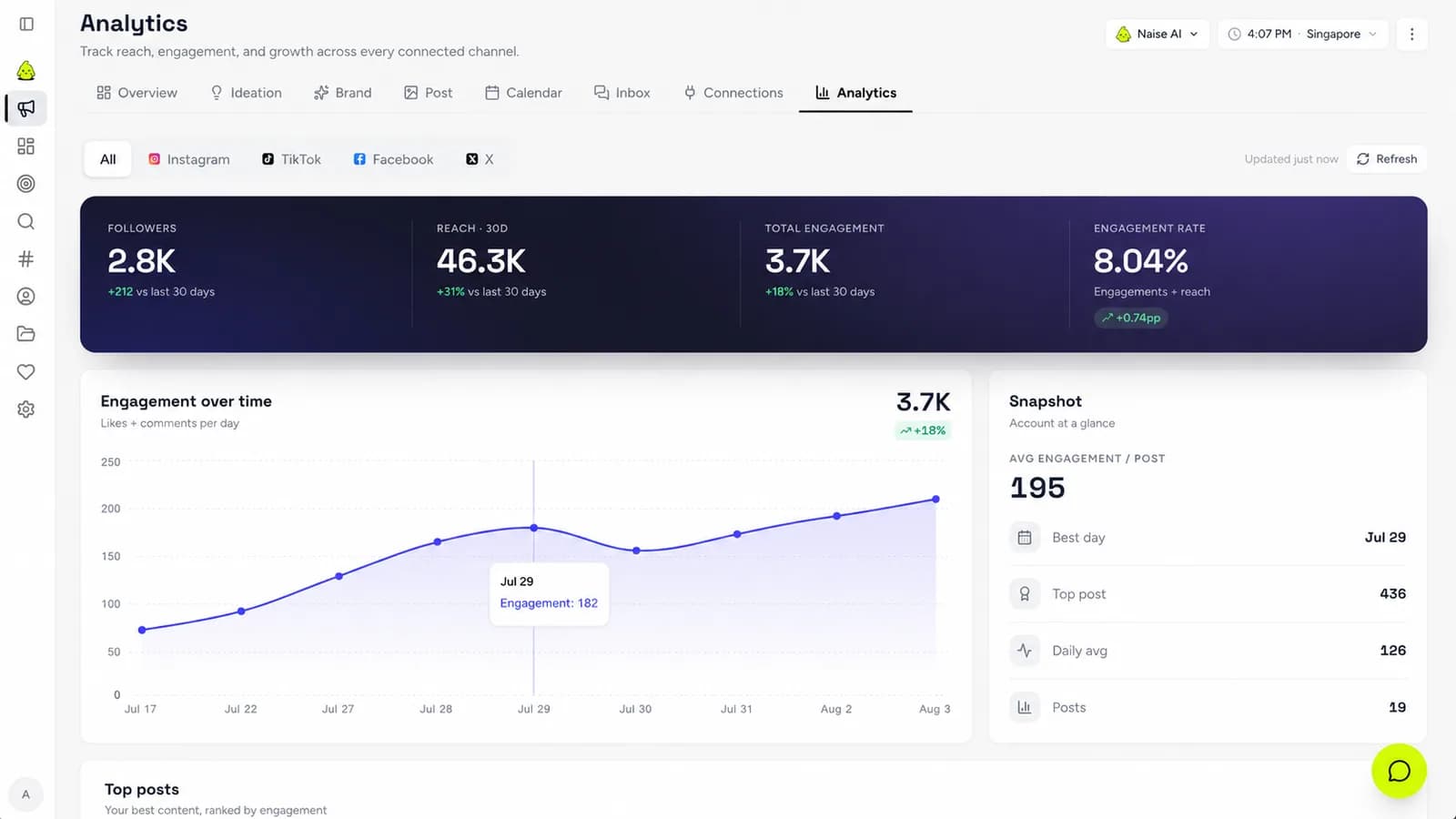
From this workspace, you can plot your cross-promotion assets directly onto the visual Content calendar. This allows you to schedule automated publishing across all integrated platforms simultaneously without manual uploads. Finally, as the campaign goes live, you track the combined performance through real-time Analytics, giving you immediate, actionable feedback.
Turn Shared Audiences into Predictable Revenue
The clear signal from YouTube is an open invitation to change how you distribute content. Relying entirely on solo production leaves your brand vulnerable to algorithm shifts and viewer burnout. Partnering with aligned creators inside your niche is the most reliable way to compound reach, protect watch time, and build topical dominance.
Stop wrestling with messy spreadsheets, disjointed software tools, and late-night script revisions. Set up your brand parameters, load your campaign strategy, and let your autonomous marketing teammate handle the execution.
FAQs
How many creators can you tag using the YouTube collaboration feature?
You can tag up to ten co-creators on a single video upload using the YouTube collaboration feature. The video displays across all confirmed participants' feeds, centralizing views, comments, and engagement metrics into one unified URL.
What is the primary benefit of co-authoring YouTube videos within the same niche?
Co-authoring within the same niche triggers high audience overlap, meaning the partner's audience is already interested in your topic. This preserves your retention rate and average percentage viewed, sending positive algorithmic signals that boost organic recommendations.
Can you use the YouTube collaboration feature on your own brand channels?
Yes, brand marketers and media companies frequently use this tool to cross-pollinate their own internal sub-brand channels. For instance, linking an industry analysis channel with a product-focused channel allows you to share viewership without creating duplicate uploads or dividing watch metrics.
How does Naise AI support collaborative YouTube campaigns?
Naise AI automates the labor-intensive stages of co-marketing campaigns. By leveraging Social Audit to validate partner audiences, teams can seamlessly plan, schedule via the Content calendar, and measure campaigns in the unified Social Workspace.