Beyond Theory: The "If-This-Then-That" Lead Capture Engine
Most discussions surrounding lead growth rely on vague concepts like omni-channel nurturing or funnel alignment. Real lead generation happens through specific, automated actions triggered by prospect behavior.
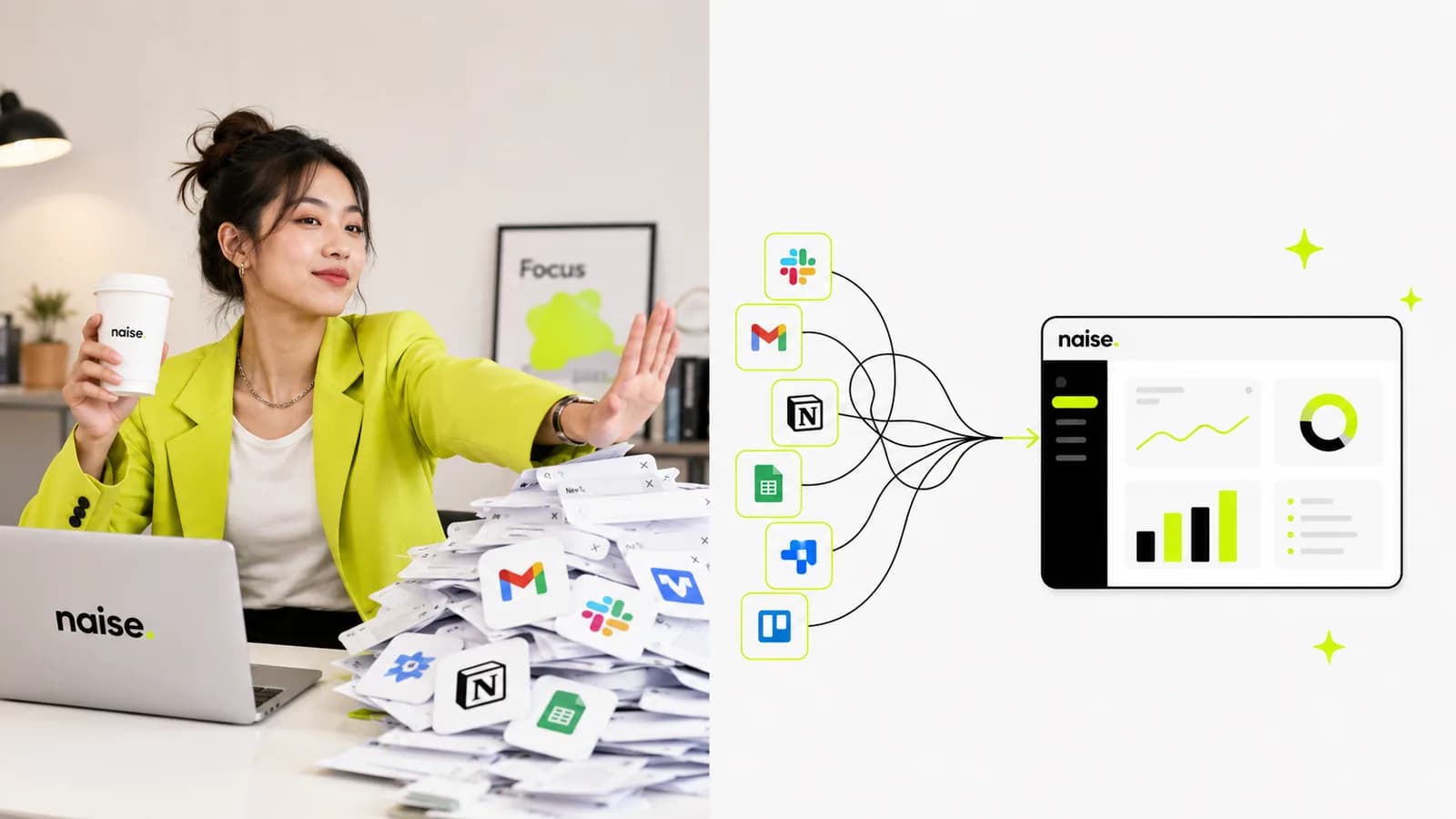
When your software stack is split across separate vendors, simple workflows break down. A lead fills out a form on your landing page, but the webhooks delay sending data to your mailing provider. By the time your sales representative receives a notification, the lead has already scheduled a call with your competitor.
All-in-one marketing tools for lead generation remove these technical barriers by building event listeners directly into the customer database. Here is how a real-world trigger-action workflow operates inside a unified engine:
Trigger Event: A visitor downloads an industry benchmark report on your website via a native embedded form.
Instant Verification: The platform tags the contact as a high-intent prospect, checks for existing entries, and creates a consolidated profile.
Behavioral Nurture: An automated email sequence delivers the PDF immediately. If the user clicks the pricing page link within 24 hours, the system fires an automated SMS and alerts an account manager in the unified CRM.
Dynamic Lead Scoring: Every page visit adds numeric points to the contact profile. Reaching 50 points automatically triggers a calendar booking link invite.
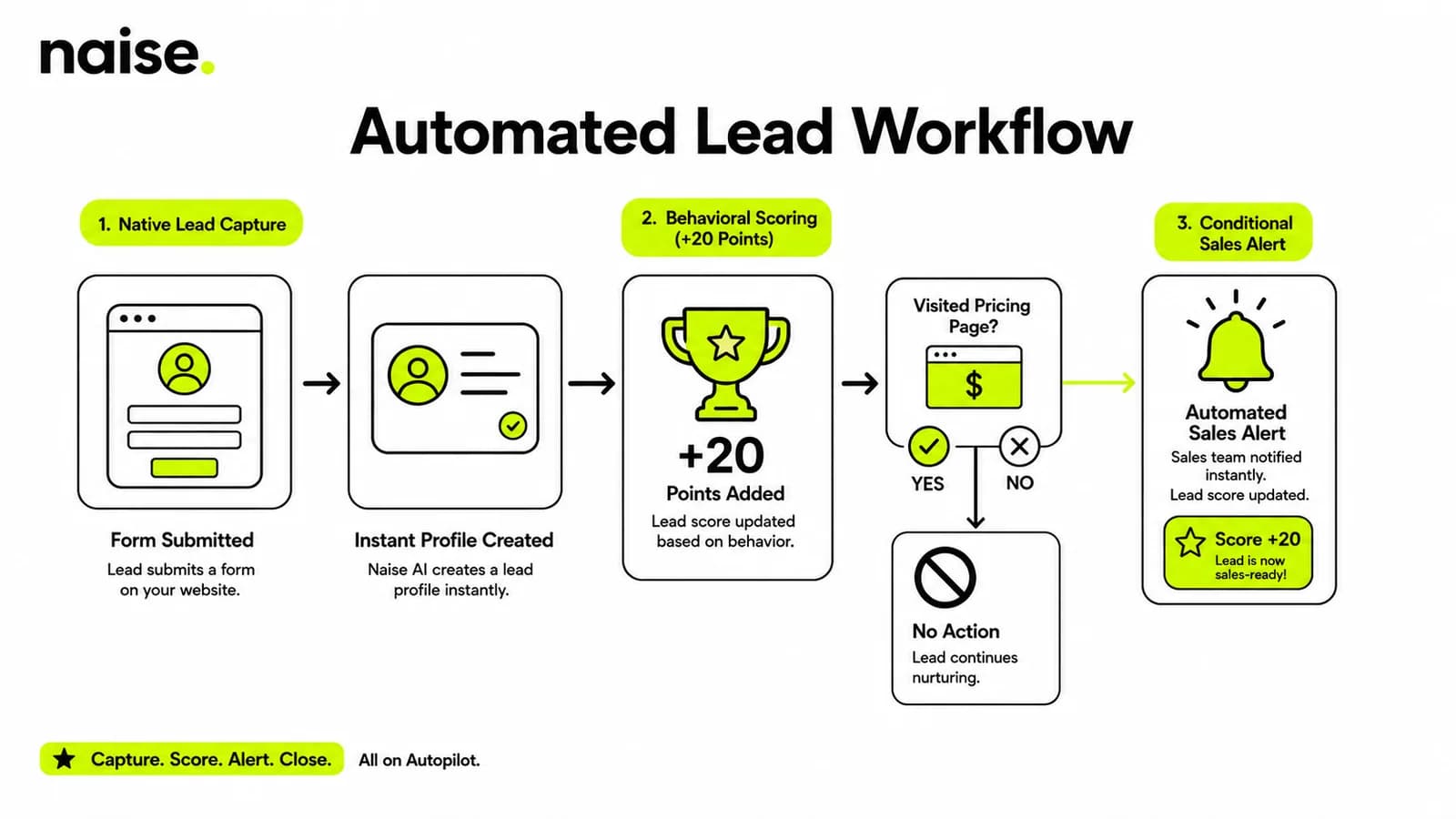
By removing third-party connectors like Zapier from primary lead paths, you eliminate points of failure and keep your prospect tracking intact.
Real Software Context: Comparing Market Leaders
Choosing the right ecosystem requires evaluating specific platforms against your technical capacity and budget. Major platforms approach lead collection from different operational angles.
HubSpot offers enterprise-grade lead management with deep analytics and pipeline visualizers. Its native forms, ad tracking, and automated sequences work in harmony, though costs increase dramatically as your contact database expands.
ActiveCampaign focuses on intricate marketing automation and conditional messaging. It excels at tracking user behavior across web pages and customizing email triggers based on granular user actions.
GoHighLevel targets agencies and local service providers by combining landing page builders, two-way SMS messaging, and call tracking into a single client portal.
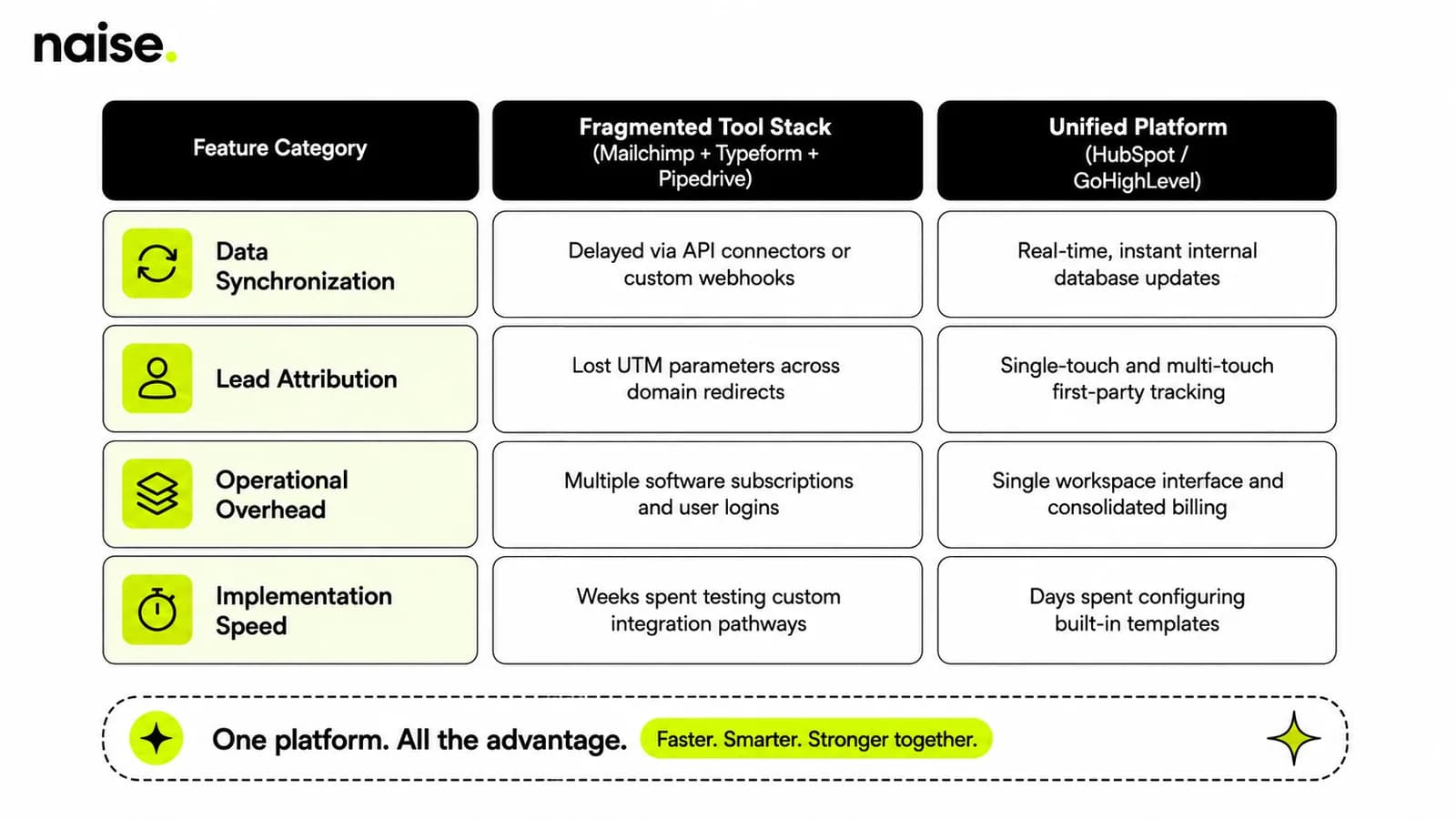
Overcoming Implementation Friction and Tool Trade-offs
Adopting a unified system is rarely frictionless. Software vendors often pitch seamless transitions, but real marketing teams encounter distinct challenges during deployment.
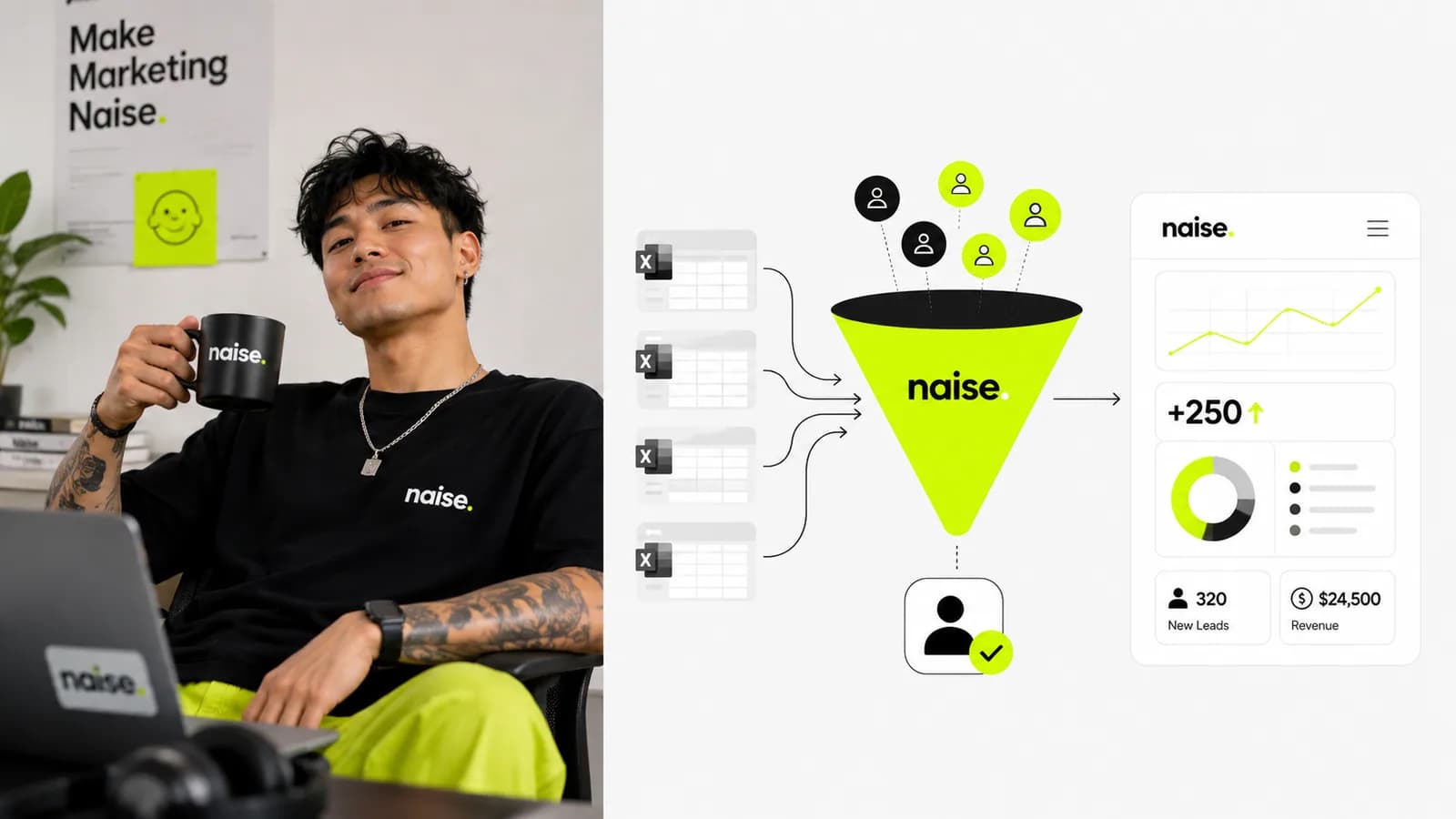
Data Migration Headaches represent the primary bottleneck. Exporting dirty customer data from separate platforms like Salesforce, Marketo, and custom spreadsheets often leads to duplicate records and broken historical activity logs. Cleaning your database prior to import is mandatory.
Learning Curves and Adoption Resistance can slow team momentum. Switching your entire staff to a new consolidated dashboard requires re-training account managers, content managers, and sales reps simultaneously.
Feature Depth vs. Breadth Trade-offs are common. An all-in-one workspace provides exceptional operational breadth, but its built-in landing page builder might lack the niche design capabilities of a standalone builder like Unbounce. Teams must decide if minor design trade-offs are worth eliminating extra software overhead.
Playbooks Segmented by Business Model
A local dentist cannot use the same lead generation strategy as a B2B software startup. Unified marketing platforms succeed because their underlying engines adapt to different buyer journeys.
1. Local Service Businesses (HVAC, Dental, Legal)
The Primary Goal: Immediate response and local appointment bookings.
The Blueprint: Use platforms like GoHighLevel or HubSpot to deploy local lead generation forms tied to automated missed-call text-backs.
Real Workflow: A homeowner requests an emergency plumbing quote via a mobile widget. The system sends an instant text confirmation with a booking calendar while placing an automated call to the technician on duty.
2. B2B SaaS Companies
The Primary Goal: Qualifying high-value product-lead traffic and scheduling product demonstrations.
The Blueprint: Leverage ActiveCampaign or HubSpot to track free-tier user onboarding and assign dynamic scores based on product usage.
Real Workflow: When a trial user reaches their account limit, the unified platform flags them as a sales-qualified lead (SQL), triggers an automated case study email, and prompts the sales rep inside the CRM to initiate outreach.
3. Marketing & Creative Agencies
The Primary Goal: Managing multi-client lead campaigns without increasing headcount.
The Blueprint: Consolidate lead generation across client accounts using centralized reporting and reusable automation templates.
Real Workflow: The agency builds a high-converting lead pipeline once, snapshots the workflow structure, and deploys it across ten client sub-accounts in minutes.
Solved: Generating qualified leads with Naise AI in 4 steps
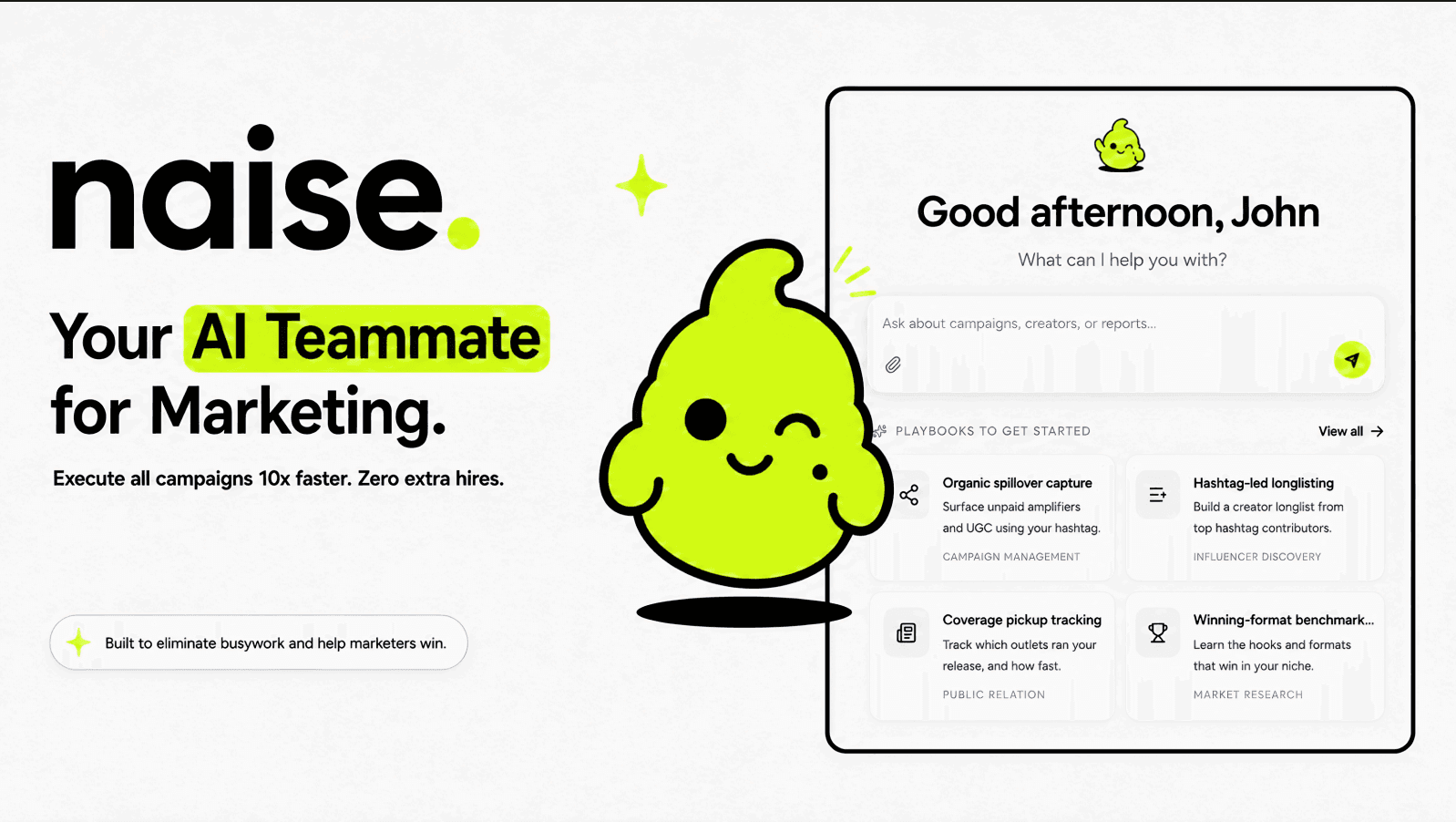
Managing legacy marketing suites still requires significant manual setup, copy drafting, and campaign building. Naise AI replaces manual execution overhead by acting as your autonomous, 24/7 AI Marketing Operator.
Instead of toggling between graphic tools, copy generators, and scheduler dashboards, Naise AI centralizes your entire organic growth stack into a single workspace. Here is how your team captures and nurtures leads at 10x speed:
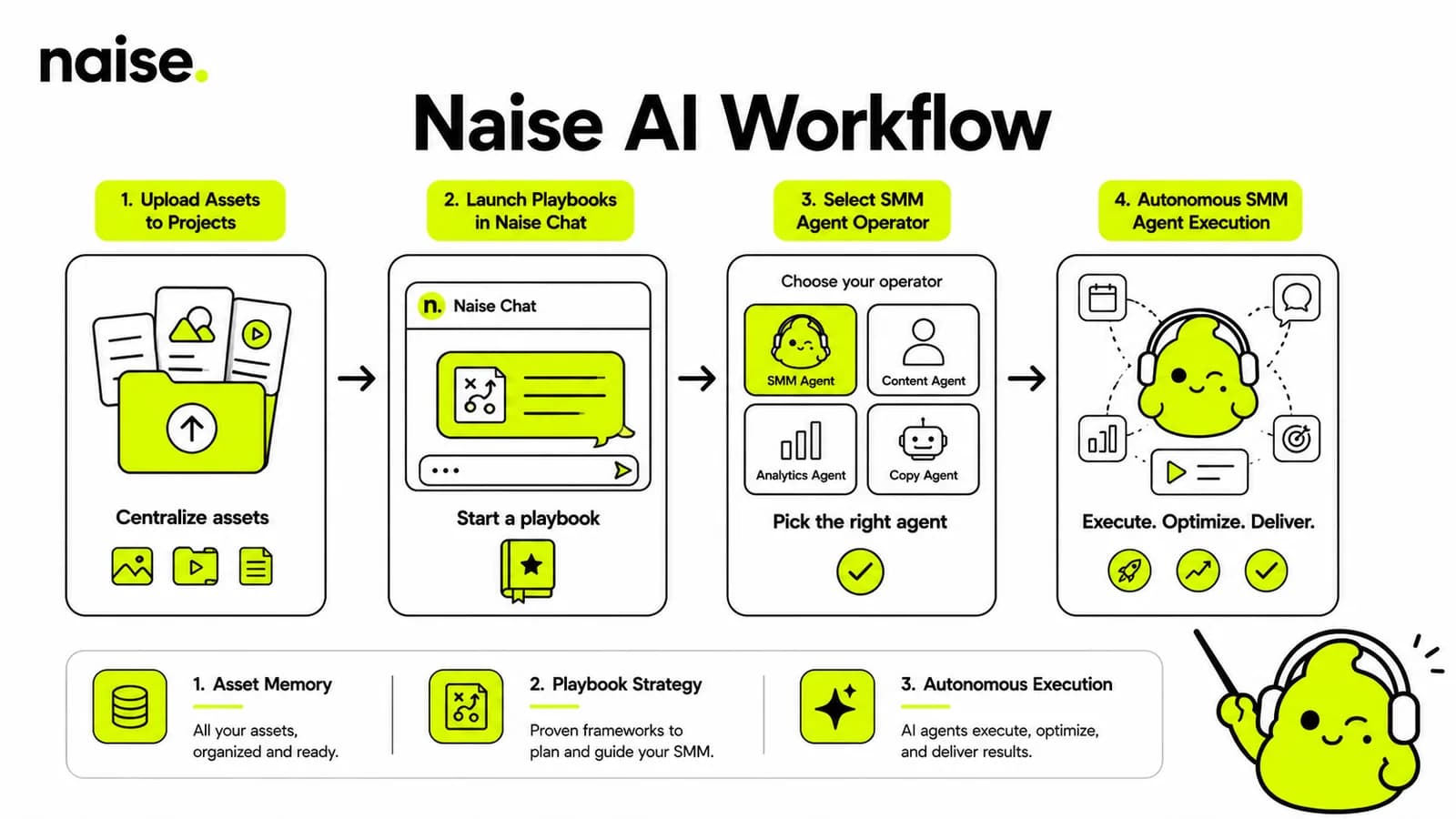
Upload Context into Projects: Drop your brand guidelines, customer personas, and product documentation into Projects. Naise AI builds a persistent memory base so every piece of content strictly matches your brand voice.
Command via Naise Chat: Open Naise Chat and select pre-configured strategy templates called Playbooks (like "Organic Spillover Capture" or "Winning-Format Benchmark").
Deploy the SMM Agent: Select the SMM Agent to handle your organic lead channels. The SMM Agent acts as a dedicated teammate that creates targeted visual posts, writes engaging hooks, and locks in your brand identity without breaking character.
Autopost and Capture: Approve your campaign deliverables inside The Dashboard. The SMM Agent automatically publishes content across your social channels, driving high-intent organic traffic directly to your lead capture pages.
Fragmented software stacks cost modern marketing teams hundreds of hours in manual data entry and broken leads. By consolidating your growth strategy into an all-in-one ecosystem, you eliminate friction, respond to leads instantly, and scale revenue predictably.
Ready to see how your current brand setup compares? Run a quick audit to uncover missing growth opportunities and streamline your lead stack in seconds.
Frequently Asked Questions (FAQs)
What are all-in-one marketing tools for lead generation?
All-in-one marketing tools for lead generation are consolidated platforms that combine email marketing, lead capture forms, customer relationship management (CRM), landing page building, and analytics into a single database system. By removing the need for third-party API connectors, these tools help businesses capture, track, and nurture sales prospects without losing lead data across separate apps.
How do unified marketing tools speed up lead response times?
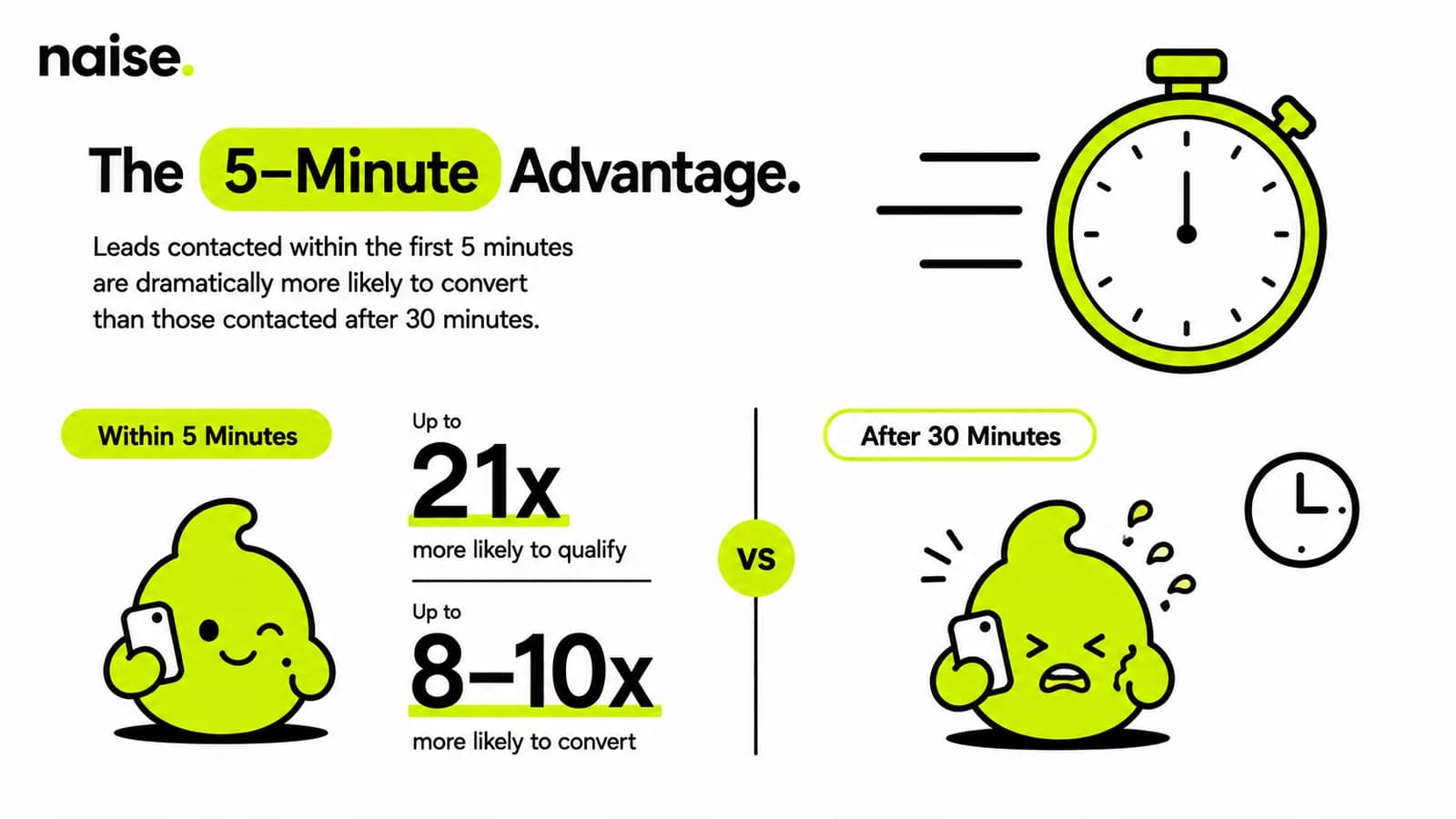
Unified marketing tools speed up response times by executing instant internal triggers the moment a prospect submits a form or clicks a link. Because lead data is stored in a centralized database rather than synced across multiple software vendors through periodic webhooks, automated email sequences, SMS alerts, and internal sales notifications fire within seconds.
Are all-in-one marketing platforms better than specialized point solutions?
Unified platforms are generally better for teams seeking operational efficiency, lower software overhead, and unified reporting without complex technical maintenance. However, specialized point solutions may offer deeper feature customization for niche requirements, such as advanced design control on custom landing pages. Most growing businesses choose unified tools to avoid integration breaking points and subscription sprawl.
How does lead scoring work inside a consolidated platform?
Lead scoring in a consolidated platform assigns numeric values to prospect actions recorded across your marketing channels. For example, visiting a pricing page might add 15 points, downloading an ebook adds 10 points, and opening an email adds 5 points. When a prospect's total score crosses a designated threshold, the system automatically marks them as a sales-qualified lead (SQL) and alerts your team.